
Game Systems
Blood Dungeon Mechanics: Systems & Progression Guide
Blood Dungeon Mechanics Explained: Blood, Bones, weapons, characters, arenas, quests, daily dungeons, unlock boundaries, and verified progression facts.
Official video
Video ID verified from the Messhof game page; playback is served by YouTube.
Blood Dungeon is a platforming autoshooter: weapons attack automatically, while the player controls movement through increasingly dangerous arenas.
The verified systems form a clear, but deliberately incomplete, loop. Official pages support Blood levels for the current build, Bones and the Bone Shop for lasting growth, plus characters, arenas, quests, daily dungeons, and global high scores. They do not publish every formula, unlock condition, or timing rule, so this page separates a confirmed system relationship from a detail that still needs direct checking.
Blood and Run Power
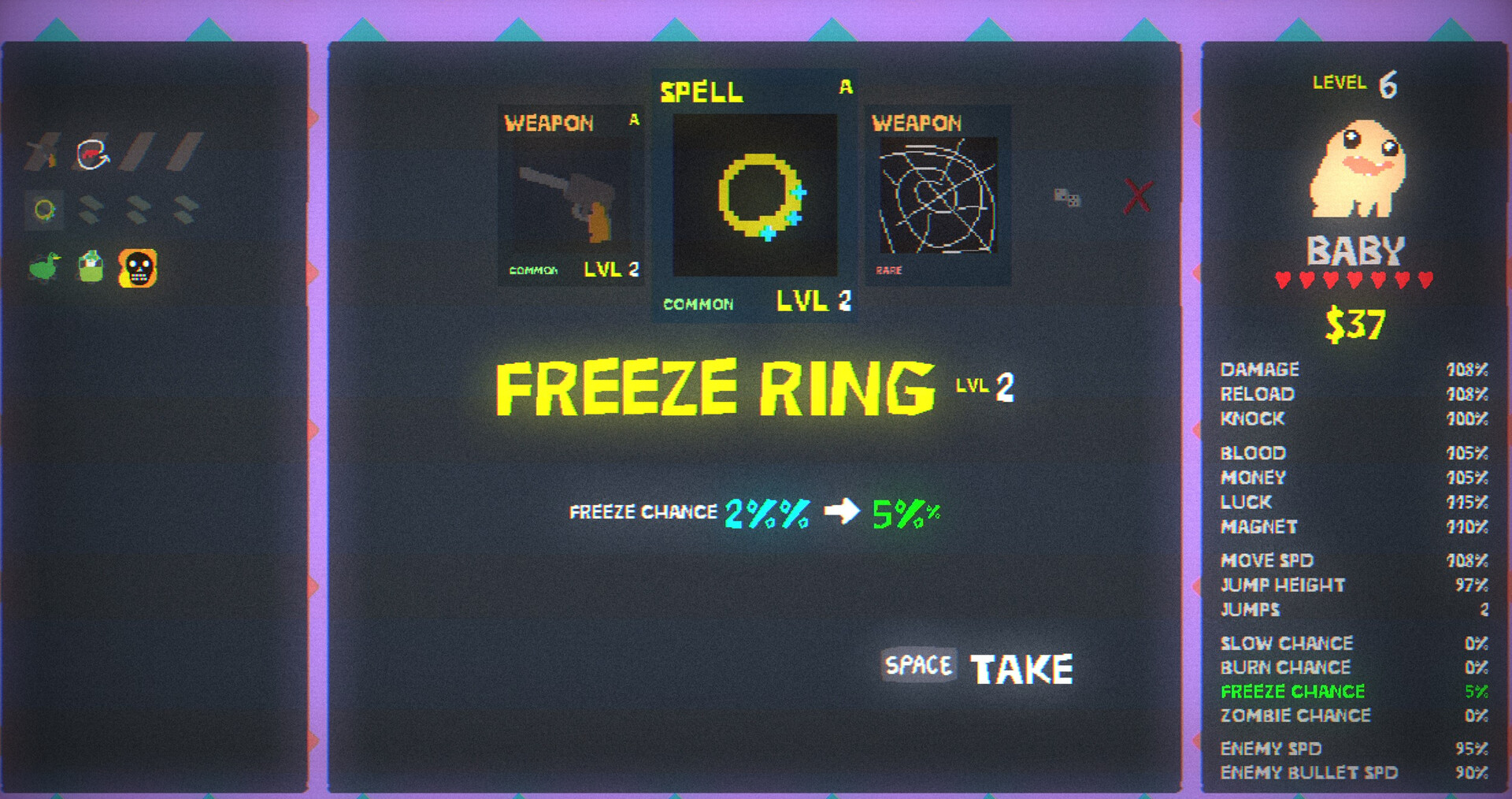
Defeated enemies drop Blood. Increasing your Blood level upgrades the current build, and hidden chests can add more choices during a run. The full game advertises more than 100 unlockable weapons and upgrades.
Bones and Permanent Progression
Bones carry value beyond a single attempt. Messhof describes surviving a run, taking earned Bones to the Bone Shop, and becoming stronger. The Steam description names the Dogmancer as the character who accepts the bone toll.
This creates two linked progression layers:
- Temporary power assembled during the current run.
- Permanent unlocks and upgrades purchased between runs.
The distinction matters because a player should not use a run-only result to make a permanent-progression claim. Public product copy does not state an exact Blood reset rule or a Bone payout formula. When the source is silent, the page says TBD instead of filling the gap with a familiar roguelite convention.
Characters and Unlocks
The game includes nine unlockable playable characters with different traits and weapons. Official product copy specifically names:
- Leggy, who can spin climbable webs.
- Bug, who can take flight.
- Skinja, who emphasizes speed.
The remaining six names and exact unlock conditions should stay unlisted until verified in-game or by an official source. Blood Dungeon also includes six unique survival arenas, over 100 quests, daily dungeons, and global high scores.
Arenas, Quests, and Daily Play
The official store confirms six survival arenas and more than 100 quests. Steam achievements provide checkpoint wording for Catacombs and later arena progression, while the store confirms daily dungeons and global high scores. These are real system categories, but their complete menus, reset schedules, rewards, and requirements are not fully documented in the P0 material.
Treat a daily dungeon as a confirmed mode label, not a promise about its algorithm or reward structure. Treat global scores as a confirmed shared feature, not evidence that every save or modification is isolated. The Cheat Engine compatibility guide explains why that distinction matters for data safety without supplying any editing instructions.
Quests are confirmed as a large content category, and official copy connects them to unlocking upgrades, arenas, skins, and more. The exact quest list and individual reward path are still TBD. A future verified table should show one source per row instead of displaying a complete-looking list built from guesswork.
What the Sources Do Not Confirm
The public sources used here do not establish Blood loss rules, Bone values, a best build, a universal purchase order, every character name, every character unlock, daily refresh timing, or boss spawn timing. The absence of a line in a store description is not proof that the feature cannot exist. It only limits what a responsible fan wiki can publish as fact today.
Use Blood Dungeon Tips for movement-first play habits and Blood Dungeon Walkthrough for confirmed progression checkpoints. Both pages preserve the same boundary: direct official wording can be explained; unresolved implementation details stay marked TBD until current release-build evidence supports them.
A Practical System-Reading Method
When a new screen or reward appears, first identify which confirmed layer it belongs to. Blood is connected to the current build, while Bones and permanent upgrades belong to longer-term progression; characters, quests, arenas, daily dungeons, and scores are confirmed system categories. That first classification is more reliable than immediately importing a familiar rule from another roguelite.
Then write down the exact on-screen wording and the date of the build you played. A personal note can help you explore a system without becoming an unverified site fact. If an observation is later repeated in a current build or confirmed by an official source, it can move from a note into a sourced page entry.
This method is especially useful for the nine-character and six-arena scale. Counts are confirmed, but a count is not a complete strategy guide. The responsible next step is to identify a specific character, trait, arena checkpoint, or upgrade label and attach evidence to it one item at a time.
Why the TBD Labels Matter
TBD does not mean the game lacks a rule. It means the public P0 material used by this independent fan wiki does not establish that rule precisely enough to publish. A visible TBD is a promise about editorial discipline: it tells a reader what remains to be checked instead of hiding uncertainty behind an apparently finished table.
This is most important with progression claims. A wrong purchase order, wrong unlock condition, or invented reset rule can waste a new player’s time. Until a source can support a detail, the page gives the player the confirmed framework and a link to the official store or game page for the current wording.